Premio Napoli
In 2023 — the same year the Prix Max Jacob was announced in France — Nouri al-Jarrah received recognition at the Premio Napoli in Italy. The two honours are consistently cited together as the moment his work reached its widest European visibility.
The Premio Napoli is one of Italy's established literary awards. It was founded in 1954 and is organised by the Fondazione Premio Napoli, whose seat is the Royal Palace of Naples — the Palazzo Reale on Piazza del Plebiscito. Its remit covers poetry, fiction, and non-fiction, and its founding purpose is the promotion of the Italian language and of Italian literary culture, including through the work of writers who reach Italian readers in translation.
Unlike most literary prizes, the Premio Napoli is judged in part by a body of readers rather than by a jury alone — a structure that has given it a particular civic character in the life of the city. PLACEHOLDER — contextual description of the prize's structure; verify against the Fondazione's published rules.
What is not documented in the sources available to us is the exact category under which al-Jarrah was recognised in 2023, or the wording of the citation. We have chosen not to supply one. A prize page that invents a category is worse than a prize page that is honest about a gap.
What can be said with confidence is why Naples is a plausible and resonant place for this work to be read. The city sits at the centre of the sea that al-Jarrah's later books take as their subject. A Boat to Lesbos, No War in Troy, and the Mediterranean elegies that follow them are written across the same water that Naples has faced for three thousand years — and the same water that, in the last decade, has carried the crossings and the drownings those poems record.
Italian readers have encountered his work through translation and through the festival circuit that connects Naples, Rome, and the Sicilian literary events where Arabic-language poetry of the war years has had a sustained hearing. PLACEHOLDER — contextual claim about Italian reception; verify.
Naples has read the Mediterranean as a single text for longer than most European cities have existed.
The Premio Napoli's honour roll spans seven decades of Italian letters and includes writers whose work shaped the post-war literary settlement in Italy. PLACEHOLDER — specific laureate names deliberately omitted pending verification.
For al-Jarrah, 2023 was the year in which two European literary institutions — one French, one Italian, one with a fully documented citation and one still to be confirmed here — arrived at the same body of work within months of each other, and for the same reason: a poetry that takes the Mediterranean not as a landscape but as a site of catastrophe and inheritance at once.
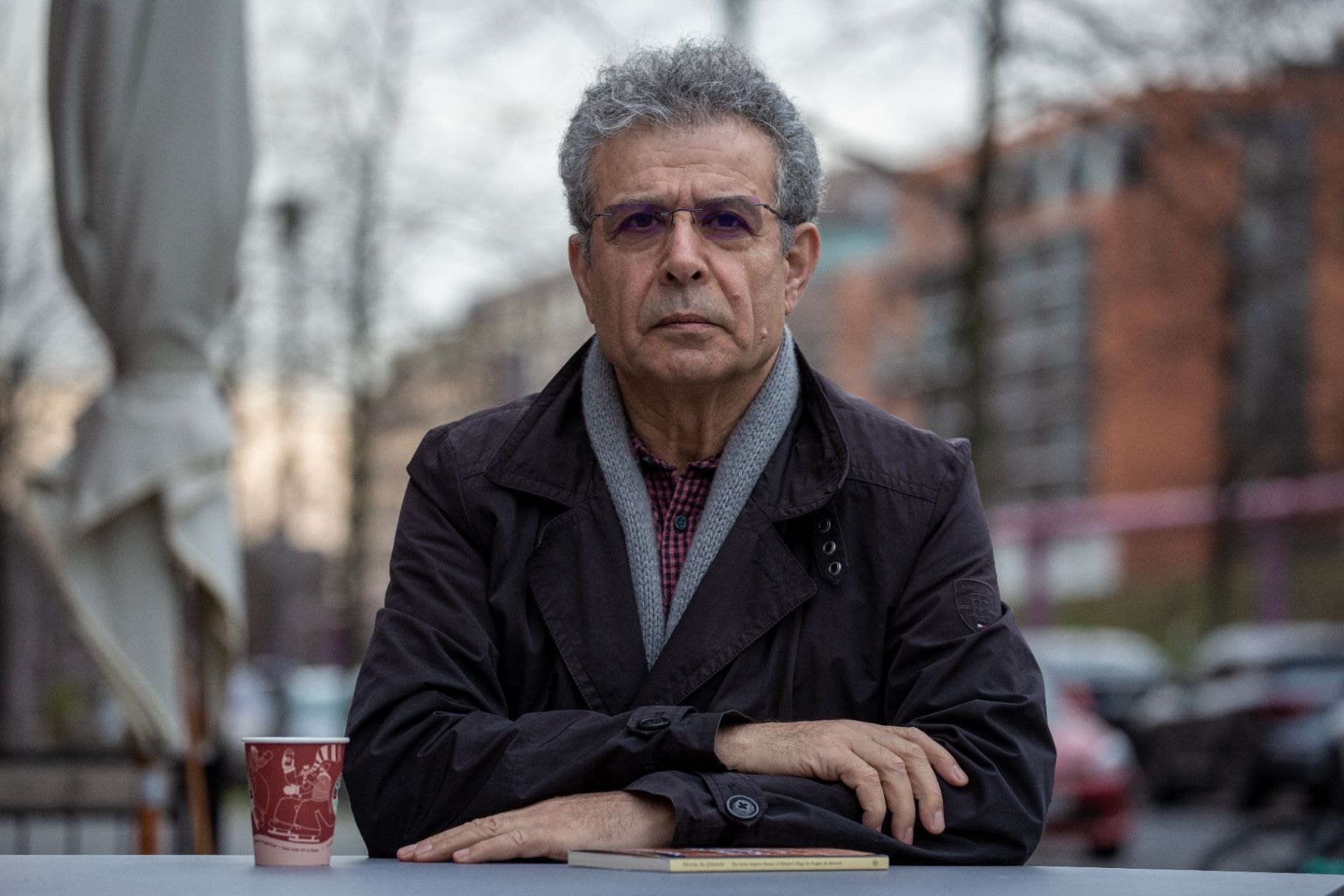
He has consistently described such recognition as belonging to Arabic poetry rather than to himself, and to Syrian poetry in particular at a moment of extremity. That framing, given in France, applies equally here.
PLACEHOLDER — this section is reserved for the confirmed citation, the category, the date of the ceremony, and any photographs or video from the Naples event, all to be added from the CMS once the archive is checked.
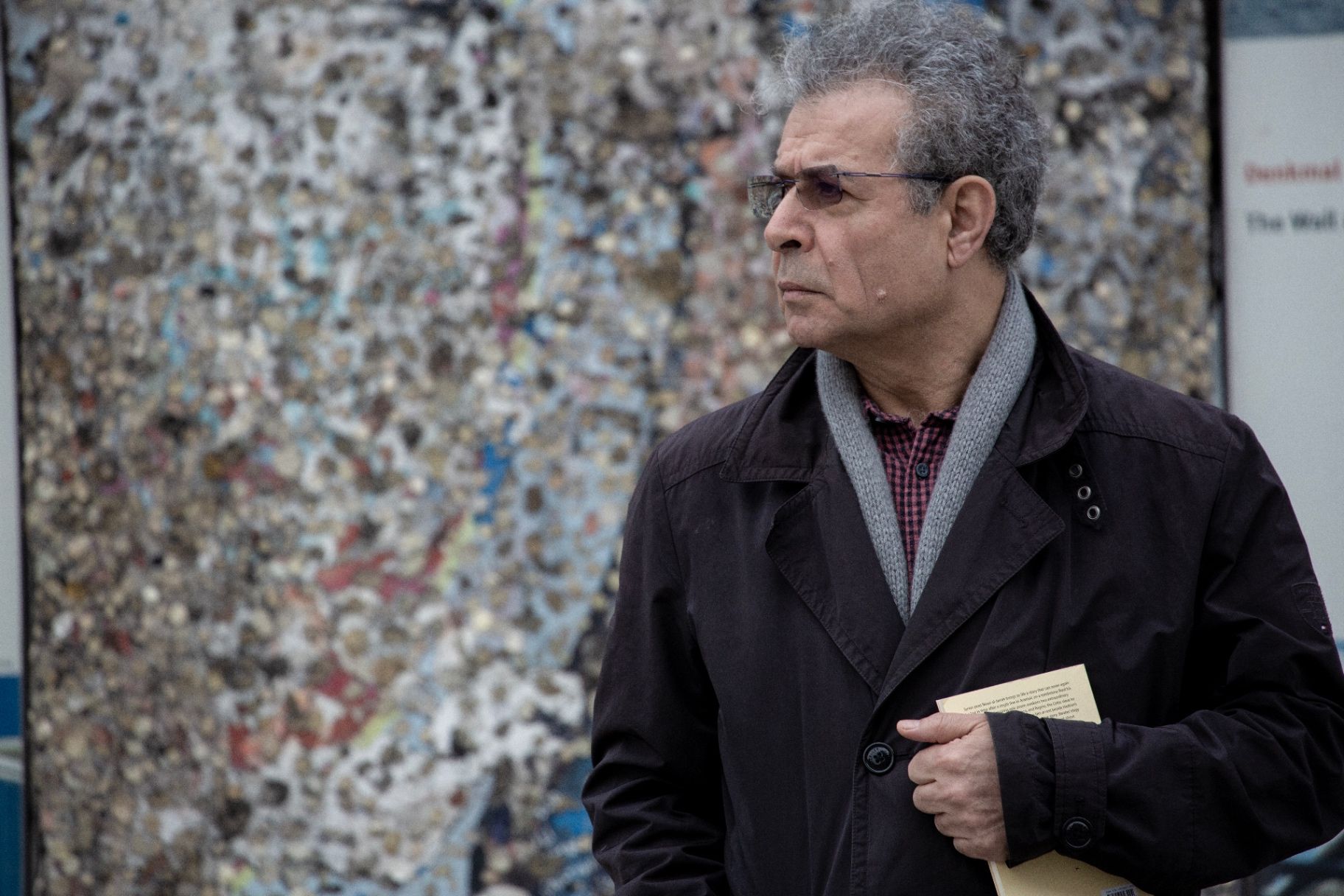
Until then this page stands on what is confirmed: the year, the country, the institution, and the fact of the recognition.
Readers who want the fully documented account of his 2023 honours should begin with the Prix Max Jacob page, where the book, the translator, the publisher, the category, and the selection are all on the record.
The confirmed fact is the recognition and the year; the rest of this page waits on the archive.
PLACEHOLDER — space reserved for a video embed of any Naples reading or interview.
Other Honors
Prix Max Jacob
In May 2023 Nouri al-Jarrah was awarded the Prix Max Jacob in the translated-poetry category for Le Sourire du dormeur, an anthology of three decades of his work rendered into French by Antoine Jockey.
Qatar State Prize for Children's Literature
In 2008 al-Jarrah won Qatar's State Prize for Children's Literature in the story category for The Pillow Book, and dedicated the award to two children — one Palestinian, one Syrian.