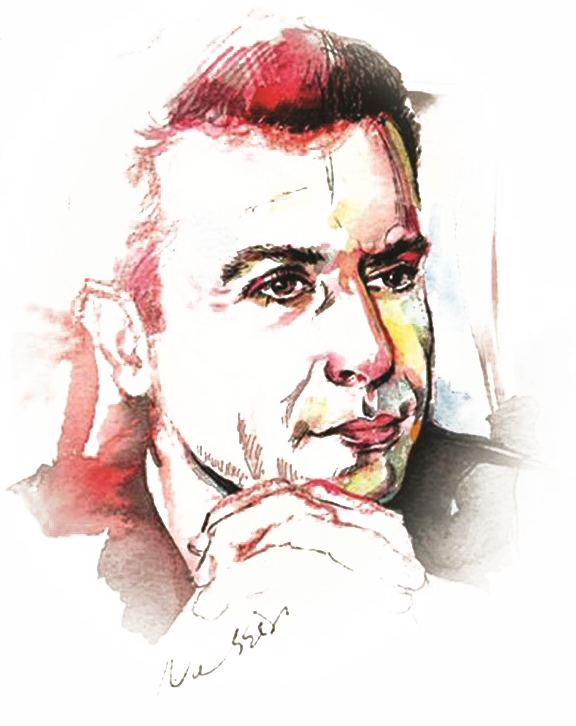

The Ibn Battuta Prize for Travel Literature
Every literary prize makes an argument about what deserves to be remembered. The Ibn Battuta Prize for Travel Literature makes one of the most unusual arguments in the Arab literary world: that the genre most Arabs think of as a curiosity of the classical past — the traveller's account, the geographer's report, the wanderer's diary — is in fact a central literature, worthy of the same seriousness of scholarship and craft that poetry or the novel receive. Since 2003 the prize has advanced that argument, year after year, by rewarding the best edited and written works of travel literature and by drawing a steadily widening circle of writers, editors and researchers into the field.
The prize takes its name from Ibn Battuta, the fourteenth-century Moroccan traveller, historian, judge and jurist whose decades-long journeys across Africa, the Middle East, Central Asia, India and China made him, in the Arab imagination, the very archetype of the traveller — "the prince of Muslim voyagers." Naming the award after him is both homage and statement of purpose: it places contemporary travel writing in a lineage that reaches back to one of the greatest journeys ever recorded. The prize was founded in 2003, launched from the city of Rabat, under the patronage of the Emirati poet Mohammad Ahmad Al-Suwaidi and the supervision of Nouri al-Jarrah, Director General of the Centre for Arabic Geographical Literature, which presents it each year from Abu Dhabi and London.
The prize places today's travel writers in a lineage that reaches back to one of the greatest journeys ever recorded.
What the prize rewards
The prize's structure mirrors the breadth of travel writing itself. Rather than a single award, it is organised into several categories, each honouring a different way of writing about movement and place. There is the edited or verified journey — the painstaking scholarly recovery of an old manuscript, brought back into circulation in a reliable critical edition. There is the contemporary journey, for living Arab writers who travel and record what they see. There is the translated journey, bringing into Arabic the accounts of foreign travellers, and there are diaries, for the more personal record of a traveller's inner and outer passage. In recent years the prize has added the journalistic or reportage journey and a category for studies — critical and scholarly work on travel literature as a field. Together these categories insist that travel writing is not one thing but a whole ecosystem of forms.

The winning works do not simply receive a certificate; they are published. They appear through Dar Al-Suwaidi across its dedicated series — "Irtiyad al-Afaq" for edited journeys, "Sindbad al-Jadeed" (New Sindbad) for contemporary journeys, alongside series for diaries and for studies — in cooperation with the Arab Institute for Research and Publishing in Beirut, while translated journeys and noted diaries appear in partnership with Dar Al-Mutawassit in Milan. In this way the prize and the Centre's publishing arm work as one machine: the award identifies the work, and the presses ensure it reaches readers and enters the permanent library of the genre.
Two decades of reach
Over its history the prize has drawn manuscripts from across the Arab world and beyond. By its twentieth edition, covering 2021–2022, it received fifty-eight manuscripts from eleven Arab countries in a single cycle, with winners hailing from Egypt, Syria, Iraq, Morocco, Algeria, Tunisia, the United Arab Emirates, Jordan, Yemen, Palestine and elsewhere. That twentieth edition marked two full decades since the prize first set out from Rabat. From 2023 onward the organisers announced a further widening of the circle: the prize began honouring travellers from other languages and cultures — those who had undertaken journeys yielding diaries of value to their own culture and to the culture of the other — and recent editions have announced cooperation with the Syrian Ministry of Culture.
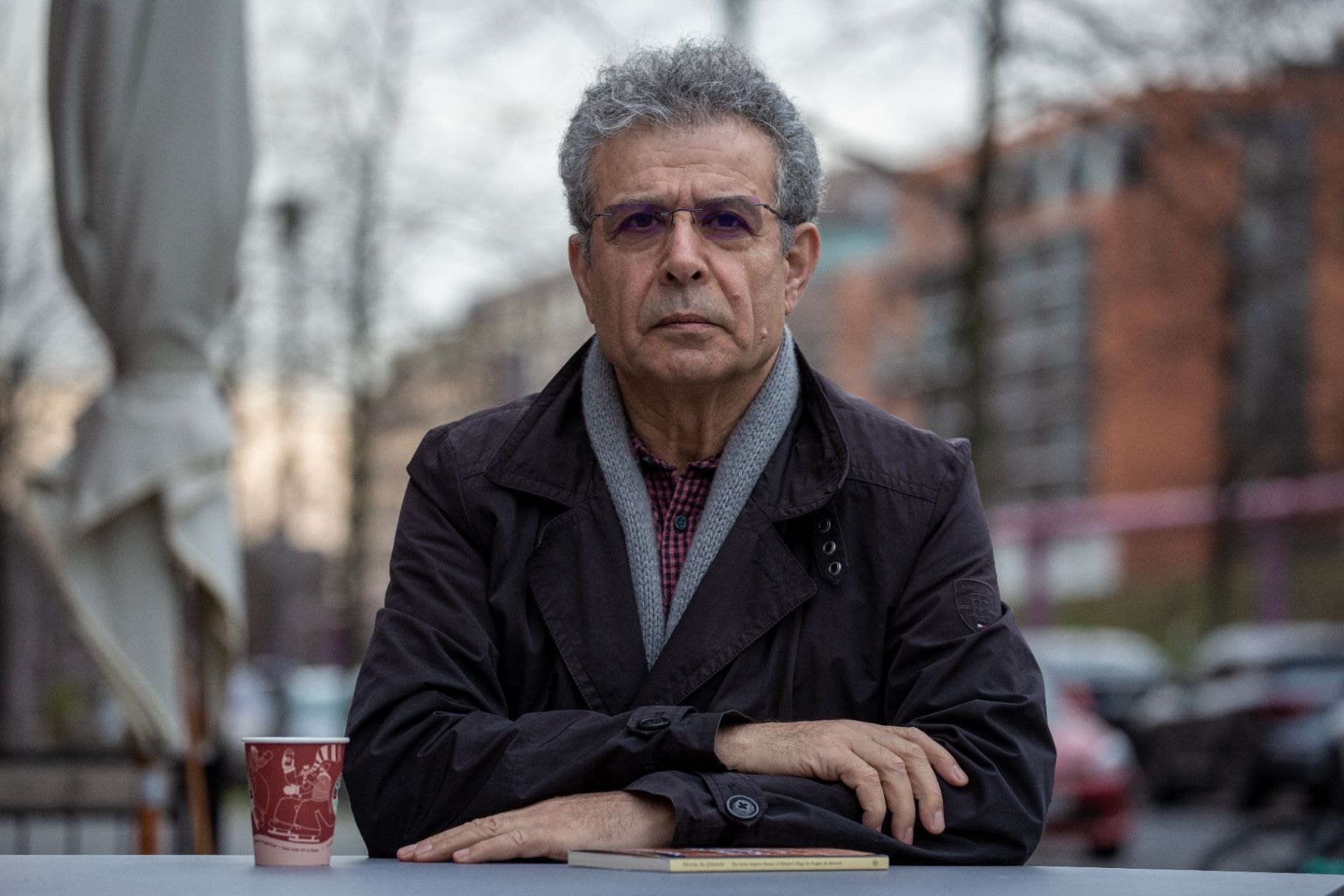
For al-Jarrah, the prize is not an administrative exercise but a continuation of the same lifelong project that animates all his cultural work: the conviction that a culture stays alive by moving, by crossing borders, and by writing down the encounter. He has spoken of how the act of connection between geographies was among the first casualties of the modern world's crises, and of how the culture of travel nevertheless keeps resisting through its enormous vitality — even, as he once put it, from behind closed doors.
More Projects
The Centre for Arabic Geographical Literature — Irtiyad al-Afaq
When Nouri al-Jarrah speaks about the Centre for Arabic Geographical Literature, he tends to describe it not as an institution but as a rescue mission…
The Syrian Writers Association
In the autumn of 2012, nine months into a war that was already scattering Syria's writers across the earth, a group of them did something that might s…