Synopsis
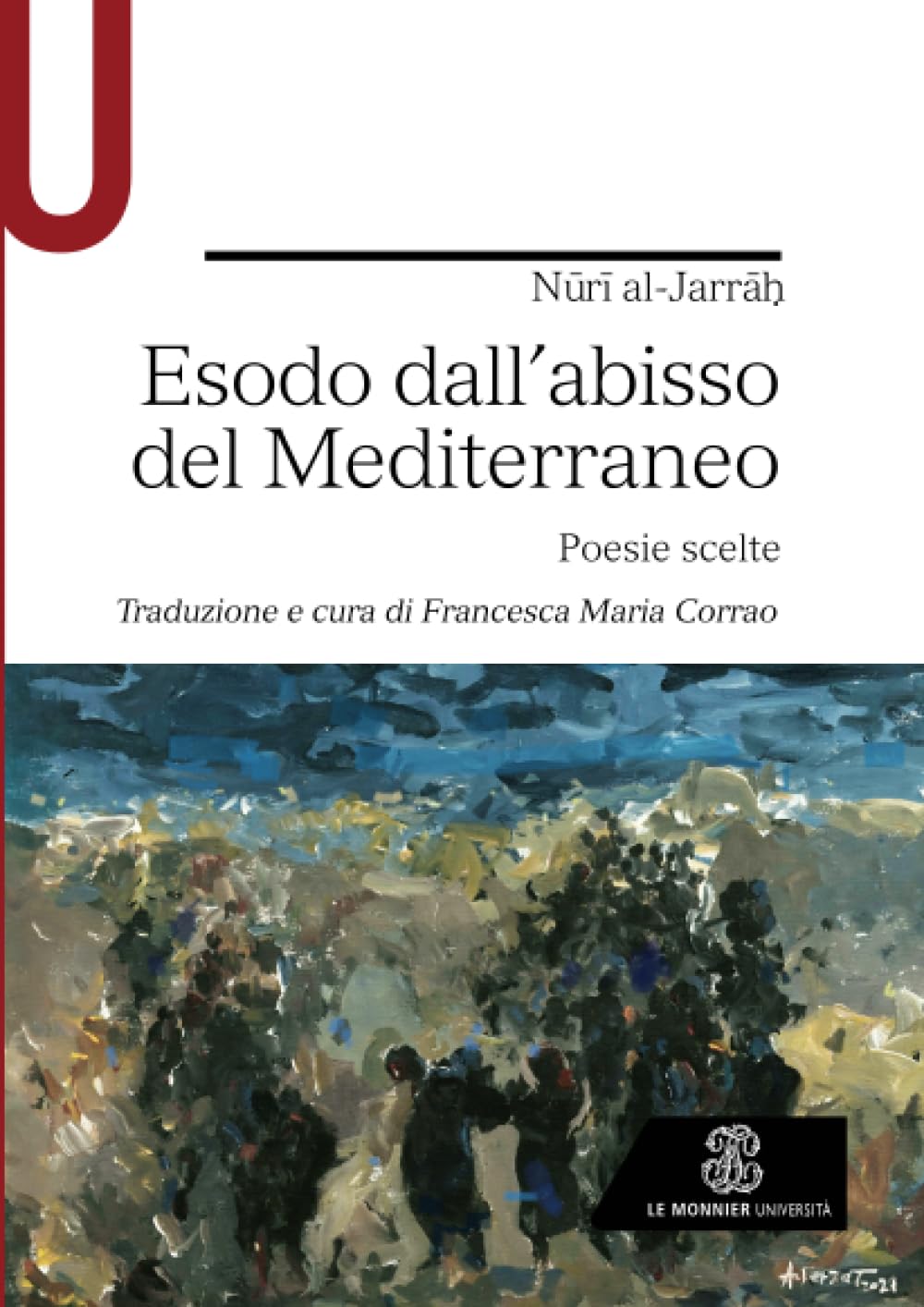
These poems narrate the Syrian drama in a lofty epic tone. Al-Jarrah's verses describe the metamorphosis of the Mediterranean dream, speaking of ancient heroes who question the meaning of life and their role today. The poet's compassionate words envelop like a shroud the rubble of a country devastated by war, describing its physical and moral decomposition. He uses every memory, and with the force of metaphor instils hope, pointing to the possibility of a rebirth that might help transcend the horror of the present. Memory searches within the Mediterranean tradition, evoking those cultural references that unite the dreams and destinies of those living on opposite shores of the sea. The verses recall biblical visions, myths, and the art of the fathers of modern Arab and Western poetry. The poet, in the role of a new Homer, describes the drama of those who leave their loved ones in a Troy in flames, of the shipwrecked and the immigrants in the frigid lands of European solitude. The text maintains a lofty and evocative register with a strong lyricism that transforms despair into a new vision of the human drama, reminding us of the universality of the dignity of life.